Castle Casino Verification and KYC: What UK Rules Require
 Available in GB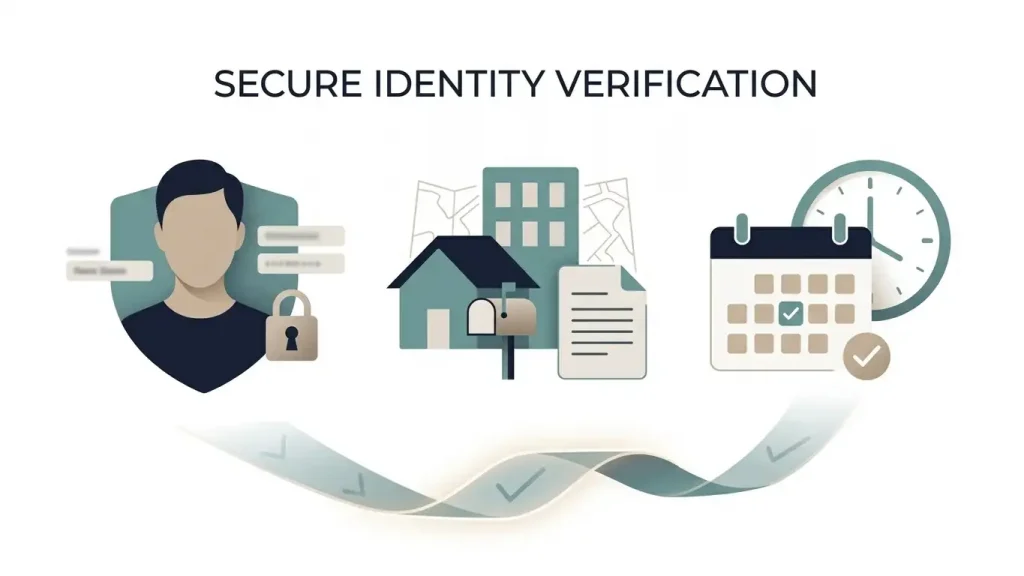
UK-licensed online casinos must verify a customer’s identity before allowing them to gamble, rather than leaving basic checks until a withdrawal is requested. Gambling Commission rules require at least a name, address and date of birth. Before accepting a deposit, operators must also explain what documents or other information they may need, when they might ask for it and how customers can provide it. This gives players a clearer picture of the checks involved before they put money into an account.
Castle Casino’s current verification arrangements are less clear. There is no confirmed, up-to-date list of documents it requests, no verified processing time and no verified active UK verification process. The general UK requirements can therefore be explained, but they should not be mistaken for a description of the checks Castle Casino currently carries out.
Table of Contents
- UK identity verification requirements
- Identity checks before gambling and withdrawal
- What customers should know before depositing
- Castle Casino verification: what is known
- Identity and financial vulnerability checks are different
- How identification supports self-exclusion
- Why old KYC checklists can be misleading
- What to check before using a casino
- UK verification rules and Castle Casino
UK identity verification requirements
Gambling Commission Licence Condition 17.1.1 requires remote licensees within its scope to obtain and verify information establishing a customer’s identity before they can gamble. This includes at least their name, address and date of birth. The condition sets out when the checks must happen, so identity verification is part of opening and using a gambling account rather than a step reserved for cashing out.
These details are a minimum standard, not a fixed document checklist for every customer. An operator may need further information depending on the customer’s circumstances, its assessment of risk and other legal obligations. The exact documents and steps can differ between operators and customers, even though the underlying identity requirement is the same.
There is no confirmed current Castle Casino document checklist or verification timetable. Although a UKGC-licensed remote operator must verify identity before gambling, that rule does not establish which documents Castle Casino would ask for or how long its checks would take. Any specific processing-time promise would need to come from current information about the operator itself.
For more on the wider requirements, read the UK online casino rules page.
Identity checks before gambling and withdrawal
Under the UKGC rules, routine identity checks should not be held back until a customer asks to withdraw money. An operator must not make a withdrawal conditional on additional information that it could reasonably have requested earlier. It can still ask for more information at a later stage when another legal obligation requires it, so a further check is not automatically a sign that the operator has broken the rule.
Withdrawal promises are easier to understand when the timing of identity checks is clear. If a casino advertises fast payouts but waits until the first cash-out to carry out routine identity verification, customers may face a delay they did not expect. At a UK-licensed operator, the core identity checks should already have taken place before gambling starts. A later request for information should relate to a further requirement, rather than basic checks that could reasonably have been completed sooner.
This does not mean every withdrawal will be free of further checks. Anti-money-laundering obligations, fraud concerns, payment ownership and other risk controls may make additional information necessary. Those later requests are different from the basic name, address and date-of-birth checks that belong at the start of the customer relationship.
The Castle Casino withdrawals guide covers the available withdrawal information and explains which Castle-specific details remain unconfirmed.
What customers should know before depositing
Before a customer can deposit, the operator must explain what types of identity documents or other information may be needed, when it could request them and how they should be supplied. This allows customers to understand the verification process before funding an account, rather than finding out about the requirements only after money has been deposited.
Clear information at this stage helps customers prepare. They can see whether they are likely to have the necessary documents and whether further checks might be needed later. It also makes it easier to distinguish ordinary identity verification from any additional enquiries that arise during account use or withdrawal.
Verification methods differ between operators. Some customers may be checked electronically with little extra effort, while others may need to provide supporting evidence. A checklist published for one casino should not be treated as Castle Casino’s own requirements. There is no confirmed current Castle guidance showing its precise process or which documents it accepts.
Castle Casino verification: what is known
| Question | Available information | What it means |
|---|---|---|
| Must a licensed UK remote casino verify identity before gambling? | Required under UKGC rules | Yes. Name, address and date of birth are part of the minimum information. |
| Which documents does Castle Casino currently request? | Unverified | No current Castle-specific document list is confirmed. |
| How long does Castle Casino verification take? | Unverified | No current Castle verification time is confirmed. |
| Does Castle Casino currently hold a UKGC licence? | No Castle UKGC licence verified in the register check | Current UKGC licensing and associated protections cannot be assumed for Castle Casino. |
| Can a withdrawal involve further checks? | Covered by UKGC rules | Additional checks can occur where legally required, but basic information should not be deferred if it could reasonably have been requested earlier. |
General UK rules do not establish which checks Castle Casino currently performs. The Castle Casino licence explains the separate question of the brand’s licensing status.
Identity and financial vulnerability checks are different
Financial vulnerability checks are separate from identity verification. In-scope remote licensees are required to carry out light-touch checks when the relevant threshold is reached. These use customer-specific public-record information to identify serious indicators of financial vulnerability, such as bankruptcy or certain court and debt records. The checks serve a different purpose from confirming a customer’s name, address and date of birth.
Identity checks establish who a customer is. Financial vulnerability checks help an operator identify signs that gambling may pose a greater financial risk to that person. Both can involve customer information, but they are not interchangeable and should not be described as a single generic verification process.
These requirements describe the regulated UK market. They do not establish that the original Castle Casino carried out the same financial vulnerability checks during its operating period.
How identification supports self-exclusion
Remote licensees must have self-exclusion procedures and take reasonable steps to prevent excluded customers from gambling. The remote social-responsibility code also requires measures intended to stop those customers from regaining access and to close relevant accounts. Accurate customer identification helps these safeguards work as intended.
An operator needs to identify the correct person and, where relevant, connect their activity across related accounts. This is one reason reliable identity information matters beyond deposits and withdrawals. Self-exclusion is still a separate safeguard, not an additional KYC document checklist.
These obligations apply to regulated remote operators; they do not, by themselves, establish that a current Castle-branded service holds a UKGC licence or provides those protections. Castle Casino’s position must be considered separately from the general rules.
Why old KYC checklists can be misleading
An old casino review may describe documents that were requested from one customer, copied from another operator or required under a process that has since changed. The same applies to claims about how many hours verification takes. Such information may be useful as historical context, but it is not a reliable guide to a casino’s present requirements.
Exact document requirements and processing times should be supported by current information from the operator or another relevant official source. Without that information, a precise checklist or time estimate could give customers the wrong expectations about what happens after they register.
When a review lists exact documents or promises a verification time, look for a current operator help page, terms page or other primary source behind the claim. Check whether it refers to the same casino and the same stage of the process. If the source is old or missing, the details should be treated as unconfirmed rather than as a guaranteed service.
What to check before using a casino
- Confirm the operator. Establish which legal entity is actually behind the casino brand.
- Check the UKGC register. A current licence claim should be supported by a register entry, not an affiliate badge or copied footer text.
- Read the verification information before depositing. A licensed operator should explain what information may be required and how it will be supplied.
- Distinguish basic checks from later requests. Basic identity verification belongs before gambling, while additional information can be requested later for legitimate legal or risk reasons.
- Check any promised timeframes. Rely on a stated verification timeframe only when it comes from current information about that operator.
These checks help separate the rules that apply to licensed UK casinos from the procedures of an individual operator. They are particularly useful when reading older information about Castle Casino, where a current document list and verification timeframe have not been confirmed.
UK verification rules and Castle Casino
UKGC rules require remote licensees to establish identity before gambling, using information that includes a customer’s name, address and date of birth. Operators must also explain before a deposit what further documents or information may be requested. Basic checks that could reasonably have taken place earlier should not be left until the customer asks to withdraw.
Castle Casino’s current position is less certain. There is no confirmed current document checklist, verification timeframe or active UK KYC process for the brand, and no current UKGC licence has been verified. The UK rules explain what a licensed operator must do, but they cannot confirm how Castle Casino handles identity checks or whether it currently offers a UK-facing service.
For related information, see Castle Casino UK review.
Recommend

Castle Casino Licence and UKGC Check
The UK Gambling Commission (UKGC) register check did not verify a remote casino licence for...

Castle Casino Games: Slots, Table Games and Historic Providers
Castle Casino UK Guide Section element A look at Castle Casino's historical games Castle Casino...
UK Online Casino Rules That Matter for Castle Casino Readers
Several rules shape how online casinos can serve people in Great Britain. Operators need the...

Castle Casino Payments in the UK: GBP, Cards and E-Wallets
The original Castle Casino listed GBP, card payments, e-wallets, Paysafecard and bank transfers among its...